
English 


Views: 0 Author: Site Editor Publish Time: 2026-11-15 Origin: Site


Have you ever wondered how craft beverage producers keep bottled drinks shelf-stable without ruining fresh flavors? Water-bath pasteurization provides an answer for processors seeking biological safety alongside clean labels. The technique submerges sealed bottles in heated water to neutralize spoilage organisms before cooling them down.
Modern beverage processors face a demanding challenge every day. You must kill harmful molds, yeasts, and pathogenic bacteria without degrading essential vitamins, vibrant aromas, or mouthfeel. At the same time, expanding operations require dependable processing equipment to compete against multinational beverage giants in crowded retail aisles.
This technical breakdown explains how submerged thermal processing functions inside sealed glass and plastic containers. You will discover the physics governing heat transfer and Pasteurization Units. We also compare batch setups against continuous processing lines to help your facility scale efficiently.
Water-bath pasteurization relies on precise time-temperature relationships to deactivate spoilage microorganisms.
Choosing between batch-style water-bath systems and continuous tunnel pasteurizers depends on your daily throughput and facility footprint.
Successful implementation requires strict adherence to validation protocols to ensure consistent safety and regulatory compliance.
Equipment selection is a balancing act between initial capital investment and operational energy efficiency.
Thermal pasteurization hinges on controlled thermal energy transfer. When you submerge hermetically sealed bottles into hot water, energy moves across the container wall directly into the liquid beverage. Water surrounds the container entirely, providing steady contact across the exterior surface.
Heat moves through the container wall by conduction. Once heat reaches the inner wall, natural convection currents take over inside the beverage. Low-viscosity liquids warm up rapidly because buoyant warm currents circulate upward toward the container head. Denser drinks transfer heat at slower rates, forcing the heating cycle to run longer.
Process engineers calculate thermal lethality using the Pasteurization Unit (PU). One PU corresponds to holding the beverage at 60°C (140°F) for exactly one minute. The mathematical model relies on thermal death time values, known as D-values and z-values:
PU = t × 1.393(T - 60)
In this formula, t represents time in minutes, while T represents the core beverage temperature in degrees Celsius. When your process runs at 70°C, thermal lethality accumulates much faster than it does at 62°C. Target lethality targets vary by drink chemistry:
High-acid fruit juices (pH below 4.0) usually target 15 to 30 PUs to suppress wild yeasts and lactic acid bacteria.
Low-alcohol craft ciders and kombuchas require between 20 and 50 PUs to deactivate residual fermentation cultures.
Delicate botanical teas and vegetable blends often demand strict heating limits to avoid scorched vegetal notes.
Under-processing leaves living microbes inside the bottle, risking secondary fermentation and package rupture. Over-processing causes Maillard browning, destroys volatile esters, and degrades vitamin C content.
Three main variables dictate how fast your beverage reaches target temperatures inside a Water Bath Pasteurizer:
Packaging Material: Glass provides higher thermal stability, yet its thermal conductivity remains relatively modest. PET plastic containers have lower thermal conductivity and will warp under excessive heat. PET demands carefully programmed heating curves to safeguard container structure.
Product Viscosity: Thin juices and flavored waters circulate freely through natural convective movement. Thick fruit smoothies, nectars, and syrups rely heavily on slow internal conduction. Operators must locate the slowest-heating spot, known as the "cold spot", usually one-third from the bottle bottom.
Inlet Temperature: Filling bottles cold at 4°C requires significantly more energy than ambient filling at 20°C. Your thermal curves must account for cold-fill baselines to prevent under-processing.
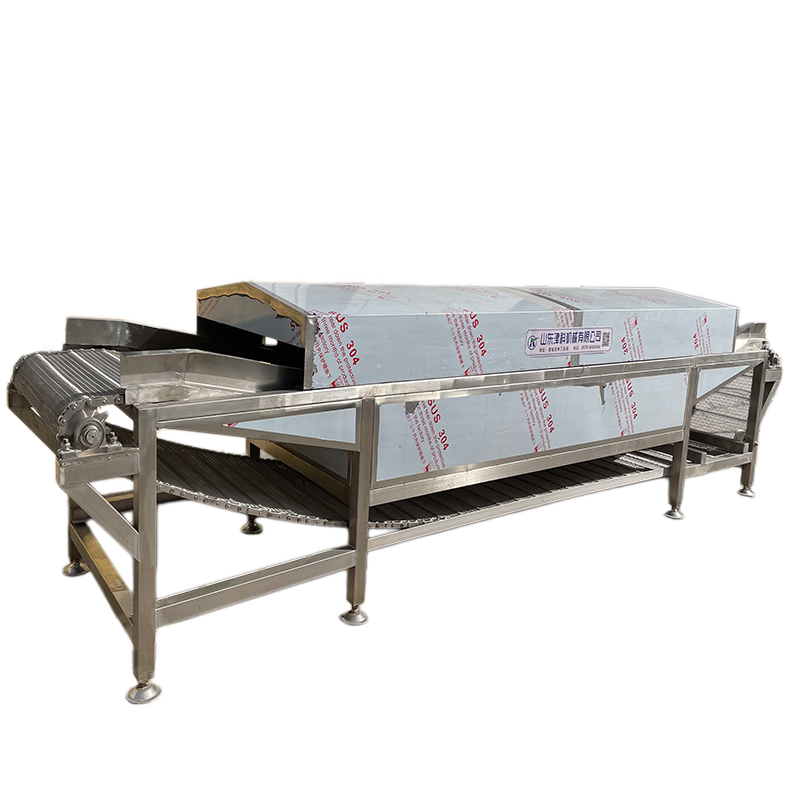
Selecting suitable thermal processing machinery influences product stability, factory floor space, and operational overhead. Beverage makers generally decide between batch immersion equipment and continuous conveyor tunnels.
Batch systems rely on an insulated processing vessel holding hot water. Operators load crate baskets packed with sealed containers into the vessel. The system then executes programmed heating, holding, and cooling phases before workers unload the finished batch.
These machines deliver superior versatility for boutique production runs. When you switch between 250ml glass bottles and 750ml carafes, you simply modify your PLC thermal recipe. Craft processors love this adaptability because one Bottle Pasteurization Machine handles seasonal runs, limited launches, and diversified recipes without expensive retooling downtime.
A continuous Tunnel Pasteurizer transports containers continuously along a wide conveyor belt. The bottles travel through multiple chambers equipped with overhead spray nozzles or immersion wells. The machine divides thermal exposure into precise sub-zones:
Pre-Heating Stage: Water spray gradually raises bottle exterior temperatures to prevent glass fracture.
Pasteurizing Stage: Sustained hot water sprays deliver required lethality units across the product cold spot.
Cooling Stage: Progressive temperate and chilled water cascades bring bottle temperatures back down below 35°C.
Continuous tunnel systems excel in large-scale manufacturing environments running thousands of bottles per hour. They integrate seamlessly into high-speed lines, reducing manual touches across the packaging hall.
System Comparison: Batch vs. Tunnel Equipment
Operational Metric | Batch Water-Bath Pasteurizer | Continuous Tunnel Pasteurizer |
|---|---|---|
Ideal Hourly Output | 200 to 2,000 bottles/hour | 2,500 to 30,000+ bottles/hour |
Floorspace Footprint | Compact; requires minimal floor space | Large linear footprint (10 to 40+ meters) |
Recipe Flexibility | High; change bottles or recipes in minutes | Moderate; optimized for consistent container runs |
Automation Integration | Manual or semi-automated basket cranes | Fully automated conveyor-line integration |
Water Recirculation | Single or dual insulated holding tanks | Multi-zone counter-current cascading tanks |
A pasteurizer never operates in isolation. It sits between container filling and final retail packout. For top productivity, install your Juice Pasteurizer immediately downstream from the liquid filler and capping machine.
Sealing bottles before thermal processing prevents recontamination from airborne microorganisms. Exiting the thermal bath, containers travel past air knife drying stations. These drying blowers strip residual moisture from container exteriors so pressure-sensitive labels adhere securely before packout.
Selecting commercial thermal hardware requires a rigorous review of performance metrics. Below are the foundational aspects production managers must check before making purchase commitments.
Uniform heat distribution separates premium pasteurizers from poor substitutes. If water circulation forms internal hot or cold pockets, some bottles turn sour on retail shelves while others suffer flavor degradation. Choose machines equipped with variable-speed circulation impellers and strategically arranged spray nozzles.
Modern PLC systems must feature multi-channel RTD temperature probes. Digital control panels should record live data, track target PU accumulation, and sound warnings if temperatures drop below programmed limits.
Heating large volumes of water requires substantial energy. Premium machines feature high-grade closed-cell thermal insulation across tank walls and covers. This insulation traps heat inside the working bath, sparing your steam boiler or electric elements from unnecessary strain.
Water conservation also deserves your close attention. Advanced systems implement counter-current heat exchange loops. Heat absorbed during the container cooling phase gets redirected into the pre-heating basin, slashing both heating energy and total plant water draw.
Beverage machinery faces constant moisture, organic acids, and aggressive chemical washes. Equipment built using SUS304 or SUS316L stainless steel provides dependable resistance against pitting corrosion and microbial biofilms. Ensure the processing chamber incorporates sloped tank floors for complete drainage during routine sanitation cycles.
Evaluate your future growth targets before ordering hardware. Can the system accommodate taller glass containers, aluminum cans, or unique custom molds? Modular batch vessels allow facilities to add secondary tanks to existing master controllers as daily distribution demands grow.
Operating a submerged pasteurization line involves practical hurdles. Addressing technical trade-offs early protects your product shelf-life and safeguards overall operational margins.
Food safety laws, including the FDA Juice HACCP regulations (21 CFR Part 120), mandate validated 5-log microbial reductions for target pathogens like Escherichia coli, Salmonella enterica, and Listeria monocytogenes. Simply setting the water bath to 75°C does not satisfy auditing requirements.
You must record physical thermal penetration profiles using calibrated data loggers placed inside actual beverage bottles. Process authorities inspect these temperature logs to verify that the coldest zone of the container maintained sufficient heat for the required time.
Excess thermal exposure ruins delicate beverage recipes. Polyphenols found in premium craft green teas oxidize quickly, turning vibrant golden tea into a dull, astringent brown fluid. Fruit juices lose aromatic monoterpenes, leaving behind an overcooked taste.
To avoid quality losses, calculate your minimum required lethal PU dose precisely. Do not apply arbitrary safety margins. Precise heat controls allow processors to deactivate target spoilage enzymes like pectin methylesterase while preserving the fresh character of the raw beverage.
Processors commonly confront two distinct physical risks during water-bath cycles:
Glass Thermal Shock: Glass expands and contracts under rapid temperature shifts. If incoming glass bottles plunge into water that is more than 30°C hotter than the product, the bottom or finish can shear right off. The same cracking risk applies when hot bottles encounter cold chill water. Maintain gradual transition ramps throughout your cycles.
Thermophilic Spoilage: If cooling halts too early, bottles stay between 40°C and 55°C for hours inside shipping cartons. This lingering heat encourages dormant thermophilic spore-formers like Alicyclobacillus acidoterrestris to germinate. These microbes generate guaiacol, creating medicinal or disinfectant off-flavors. Bottles should cool down below 35°C before carton packaging.
Operating hot water baths creates potential splash and burn hazards. Technicians need heat-resistant gloves, apron protection, and eye shields during basket loading and unloading. Facility managers must establish clear lock-out/tag-out standards and maintain automated water-level interlocks to ensure heating elements never fire dry.
Investing in the correct pasteurization hardware directly protects your brand equity. A single product recall from fermenting, exploding bottles on grocery shelves can destroy consumer trust overnight. Conversely, well-calibrated thermal machinery preserves product consistency, vibrant flavor notes, and extended retail distribution life.
The ideal machine is not necessarily the largest one on the market. It is the unit that meets your current production requirements while offering practical expansion room. Take proactive steps to validate your pasteurization setup before scaling retail distribution:
Conduct complete thermal penetration testing with your thickest recipe and largest container profile.
Audit your packaging line footprint to determine whether batch baskets or linear tunnels suit your workflow best.
Install independent electronic data loggers to capture cold-spot data for food safety audit compliance.
Define strict heating and cooling delta thresholds to prevent glass thermal shock and thermophilic spoilage.
A: The entire cycle usually takes between 20 and 45 minutes. This timeframe covers gradual pre-heating, the active pasteurization holding stage, and rapid cooling down to safe packaging temperatures. Specific dwell times depend on bottle volume, glass thickness, and fluid viscosity. Thicker fruit purees demand more extended processing times than light herbal teas.
A: Yes, modern water-bath equipment handles various beverage styles effectively. Programmable logic controllers allow you to store distinct processing recipes with unique temperatures, target hold durations, and gentle ramp speeds. You can switch between acidic juices, craft kombuchas, and plant-based tonics by selecting the pre-set profile on the digital touch screen.
A: Submerged pasteurization significantly extends juice shelf stability, often providing 6 to 12 months of ambient storage. By deactivating vegetative bacteria, molds, and natural spoilage enzymes inside the hermetically sealed container, the process prevents secondary fermentation. Because treatment occurs after sealing, you eliminate downstream recontamination risks entirely.
A: Quality systems feature heavy-gauge stainless steel construction, thorough thermal insulation, and steady water recirculation manifolds that eliminate cold zones. They also feature dependable electronic temperature controls, automated water level safety sensors, and integrated data-logging functions. These features ensure reliable food safety compliance and consistent day-to-day operation.


